Premier Renovation Provider: Upgrade Your Space With Professional Expertise
Picking a top remodeling contractor is critical for transforming a space efficiently. Experienced expertise can turn a vision into reality, but not all contractors deliver the same level of quality. Potential clients should examine essential traits that set apart the best from the rest. Understanding these factors can lead to a more fulfilling renovation undertaking. What should residents emphasize to assure their project goes beyond expectations?
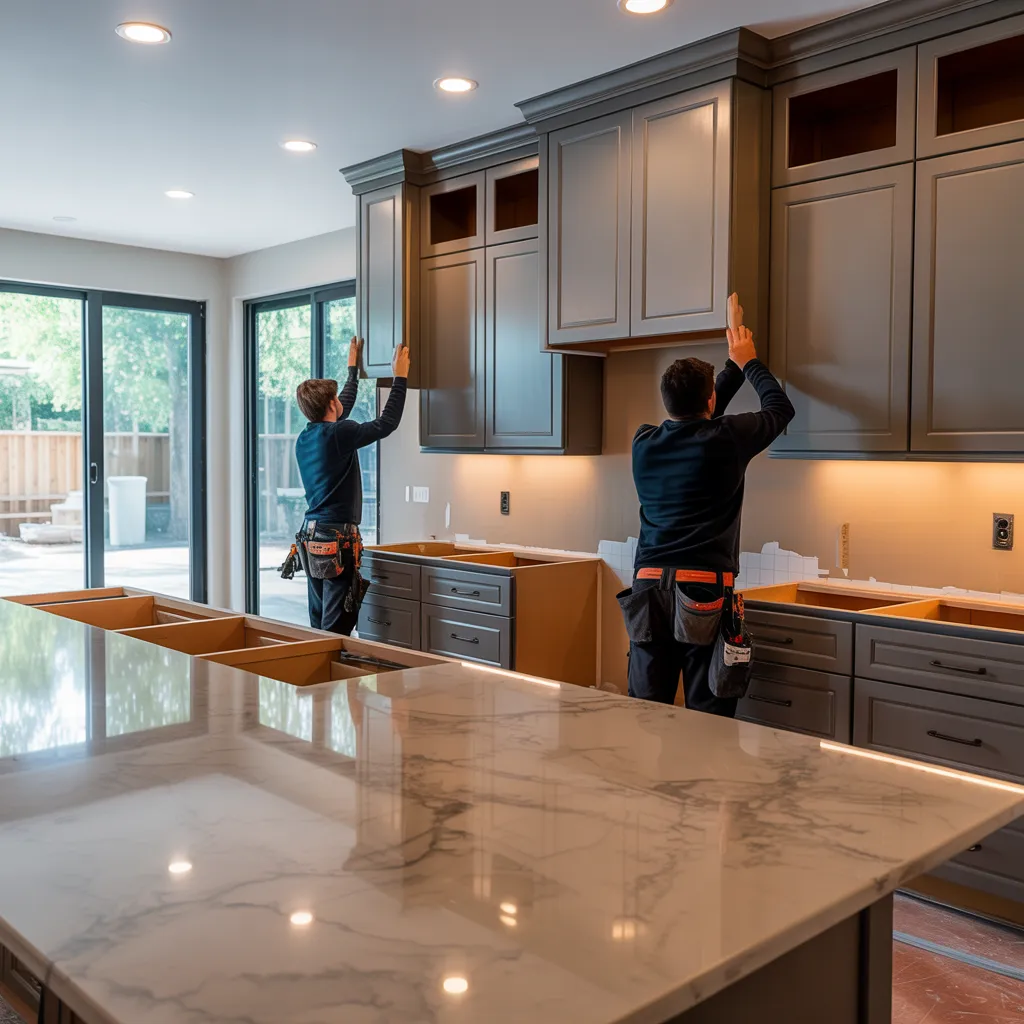
Why Opting for the Ideal Renovation Contractor Is Critical
Picking the ideal renovation expert can significantly affect the final result of any home improvement project. A competent contractor not only delivers technical knowledge and ability but also encourages effective communication and collaboration throughout the remodeling process. This relationship ensures that the homeowner's vision is properly transformed into actual results, limiting misunderstandings and costly mistakes.
Moreover, a trustworthy contractor usually has established relationships with suppliers and subcontractors, which can offer cost savings and availability of high-grade supplies. Timeliness is another critical factor; a reliable contractor sticks to schedules, thereby reducing project delays and inconvenience.
In juxtaposition, appointing an untrained or unqualified contractor can engender lackluster workmanship, cost surpluses, and protracted timelines. Therefore, the necessity of prudent selection cannot be exaggerated, as it ultimately determines the success, quality, and happiness derived from the accomplished project.
Key Traits to Seek in a Remodeling Specialist
When searching for a home renovation expert, several essential traits can greatly influence the project's success. Primarily, solid communication expertise are vital, permitting clear discussions about anticipated outcomes and schedules. Trustworthiness is another key trait; a dependable builder should reliably complete work on time and adhere to budgets.
Experience constitutes a vital element as well; a contractor with a history of proven results in similar undertakings can supply insightful perspectives and forward-thinking solutions. Additionally, meticulous detail orientation is essential, confirming that both visual appeal and operational effectiveness are evaluated in the design process.
Finally, a robust portfolio showcasing previous work can instill confidence in the contractor's abilities. By concentrating on these traits—dialogue, dependability, experience, meticulousness, and a solid portfolio—homeowners can make educated selections when choosing a remodeling contractor, ultimately resulting in a successful transformation of their space.
What Kinds of Renovation Jobs Are Popular?
Which kinds of home renovation projects capture homeowners' interest today? Bathroom and kitchen renovations lead the list, because these spaces greatly enhance both functionality and visual appeal. Homeowners often seek contemporary designs, high-efficiency equipment, and premium materials. Open-concept living areas also prove popular, enabling smooth transitions between spaces and creating a more welcoming atmosphere.
Outdoor social spaces are experiencing growth, with components like decks, patios, and outdoor kitchens turning essential for social entertaining. Basements are being reimagined into flexible living spaces, serving as home offices, gyms, or extra living areas. Additionally, eco-focused initiatives are expanding, with homeowners opting for green aesthetics and environmentally conscious solutions.
Presently, smart home technology integration is progressively in high demand, allowing homeowners to adjust ambient lighting, security measures, and climate systems with ease. These remodeling trends express a desire for better living standards, tailored to match personal preferences and everyday routines.
Methods for Assessing Prospective Contractors
Picking the right remodeling contractor is a essential component in ensuring a successful remodeling project. To evaluate candidate contractors, one should begin by reviewing their credentials, encompassing licenses and protection. Confirming these credentials protects against liability and guarantees compliance with local regulations.
Next, reviewing portfolios of prior work offers insight into the service provider's style and quality. User reviews and references can offer valuable viewpoints on trustworthiness and dedication. It is also vital to consider the contractor's experience in specific types of remodeling projects that reflect the homeowner's vision.
Furthermore, sourcing multiple estimates grants a price and service comparison across options. Consistent communication as the evaluation unfolds conveys commitment and responsiveness. Ultimately, finding a contractor who corresponds to both renovation goals and individual principles can powerfully shape the final result of your renovation.
What Inquiries Should You Inquire Before Hiring a Service Provider?
When engaging a renovation specialist, it is vital to pose targeted questions that highlight their capabilities. Primary subjects of discussion comprise their background and proficiency, alongside their licensing and insurance condition. In addition, understanding the estimated duration and budget pertaining to the project will facilitate a successful working relationship.
Experience and Expertise
Evaluating the experience and skill of a remodeling contractor is essential for a positive project. Homeowners should ask the contractor's industry experience, focusing on their remodeling specialties. It's beneficial to ask for a portfolio showcasing completed projects, as this provides a glimpse of the contractor's workmanship and design aesthetic. Additionally, those interested should seek recommendations from past clients to gauge contentment and reliability. Understanding the contractor's approach to project management, timelines, and communication styles can further illuminate their expertise. Finally, discussing any ongoing training or certifications can reveal a commitment to staying updated with industry trends and techniques, ensuring a top-notch outcome for the remodeling project.
Permits and Insurance
Ensuring a remodeling contractor holds the appropriate licensing and insurance is essential for safeguarding both the homeowner and the integrity of the project. Homeowners should ask for the contractor’s licensing, confirming it complies with local regulations and industry standards. A valid license shows that the contractor has met necessary qualifications and has the required skills. Additionally, insurance is important; it protects from potential liabilities, such as accidents or property damage during the remodel. Homeowners should request proof of insurance coverage, including general liability and worker’s compensation. This verification not only reduces risk but also fosters trust in the contractor’s professionalism. Overall, thorough checks on licensing and insurance are critical steps in the hiring process for a remodeling contractor.
Project Duration and Budget
A precise understanding of the delivery schedule and financial investment is mandatory for homeowners before retaining a remodeling contractor. Homeowners should inquire about the anticipated completion time of the project, including major stages and potential delays. It is vital to secure a detailed breakdown of costs, encompassing materials, labor, and any additional charges that may develop.
Contractors should provide a transparent payment plan, detailing when payments are due and the conditions for each phase of the project. Homeowners should also talk about any contingencies for unexpected problems that might impact both timeline and budget. By tackling these elements upfront, homeowners can choose wisely and reduce misunderstandings, guaranteeing a smoother remodeling experience.
Creating a Budget for Your Home Remodeling Project
How can homeowners manage funds effectively for a renovation undertaking? A structured budget is essential for keeping costs controlled. First, property owners should create a clear vision of their project, detailing particular goals and desired outcomes. Next, they should investigate costs for materials and workforce in their area to create estimates that are accurate. It's advisable to reserve an extra 10-20% of the overall budget for unexpected costs, which can frequently occur during renovations.
Budgeting for expenses is important; homeowners must distinguish between must-haves and nice-to-haves, enabling adjustments if needed. Speaking with a reliable remodeling contractor can provide insights into cost savings and affordable alternatives. Furthermore, homeowners should stay adaptable and open to adjustments throughout the process, as this willingness to adapt can lead to a superior outcome. In summary, strategic planning and intentional cost management can greatly enhance the remodeling experience.
Tips for a Seamless Renovation Experience
In any renovation project, clear communication between property owners and contractors proves vital in achieving positive results. Creating realistic schedules from the outset helps manage expectations and reduces tension throughout the process. By prioritizing these factors, homeowners can create a more streamlined and enjoyable remodeling journey.
Explicit communication is fundamental
Effective dialogue functions as the foundation of a thriving renovation project. A clear exchange of ideas between the property owner and builder ensures that goals align from the outset. Regular updates and touchpoints help address concerns before they escalate, fostering a cooperative environment. Homeowners should express their concept, financial parameters, and preferences explicitly, while builders must deliver clear schedules and status updates. Employing visual aids, such as sketches or samples, can further improve comprehension. Furthermore, establishing a primary point of contact reduces confusion and simplifies communication. By prioritizing clarity, both parties can navigate challenges effectively, resulting in a easier renovation experience. In the end, honest communication builds trust and satisfaction, guaranteeing the undertaking fulfills the property owner's aspirations.
Develop Realistic Timelines in Advance
can assist guarantee both the contractor and homeowner stay coordinated regarding progress and objectives. Frequent check-ins can further guarantee that timelines remain aligned. By approaching timelines with adaptability and transparency, property owners can reduce stress and enhance the complete remodeling experience
Frequently Requested Questions
How much time should I expect my renovation work to take for completion?
A remodeling project may take anywhere from a few weeks to several months, depending on the scope, complication, and size of the project. Well-organized planning and transparent communication can help improve the timeline considerably.
What Guarantees Do Home Renovation Professionals Typically Offer?
Remodeling builders generally provide warranties spanning one to ten years, including craftsmanship and supplies. These warranties ensure safeguard against defects, offering homeowners peace of discover now mind about the standard and longevity of their renovations.
May I review samples of previous Projects?
Most renovation professionals offer collections displaying past jobs. These samples often feature photos and customer reviews, providing insights into their craftsmanship and style, helping potential customers imagine the contractor's capabilities and quality of work.
What's Your Strategy for Handling Unexpected Complications Throughout Remodeling?
The contractor handles unforeseen problems by performing comprehensive evaluations, keeping clients informed with clients, and utilizing innovative solution techniques. This proactive approach guarantees efficient resolutions while minimizing delays and maintaining project quality throughout the remodeling process.
Will I Have to Obtain Permits for My Project?
Yes, getting permits is often mandatory for renovation projects. Regulations vary by location and project scope, so it is critical to examine local building codes and work with professionals to maintain compliance and avoid potential fines.